You Don’t Lead What You Don’t Produce
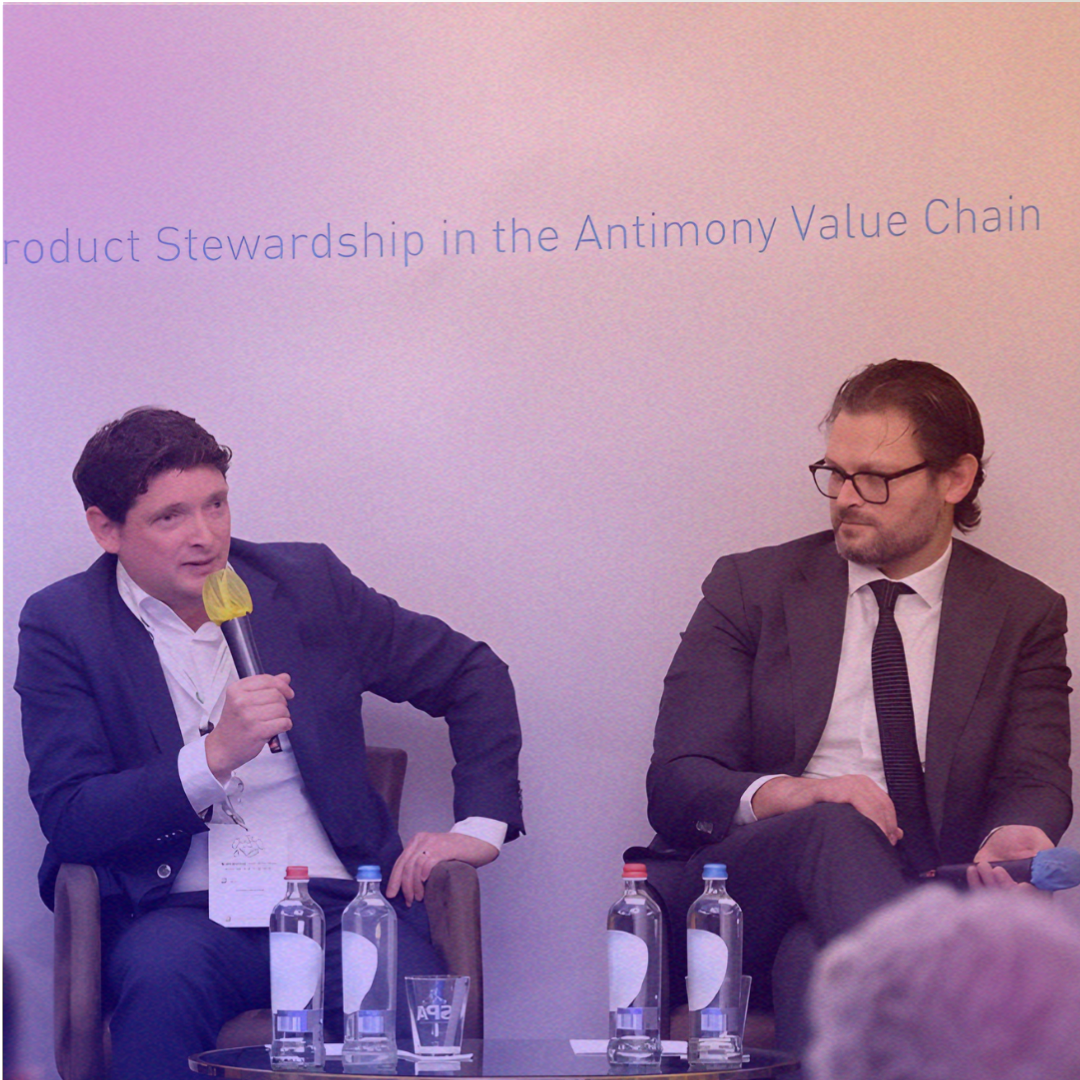
Speaking at Antimony Days during Critical Materials Week, Antonios Nestoras, Founder and President of the European Policy Innovation Council (EPIC), addressed one of Europe’s most underestimated strategic weaknesses: the gap between regulation and production in critical raw materials.
Critical materials rarely make headlines. Yet without them, there is no energy transition, no digital infrastructure, and no strategic autonomy. Batteries, semiconductors, defence systems, and clean technologies all begin with secure access to raw materials. Without supply, ambition collapses.
Europe has responded primarily with regulation. Strategies, benchmarks, sustainability rules, and due-diligence frameworks now cover nearly every stage of the value chain. What is missing is production.
Regulation alone does not secure supply chains. Leadership does not come from writing rules for materials that are extracted, processed, and refined elsewhere. Leadership means producing what is regulated.
Europe today does not produce enough critical raw materials — and by extension, it does not lead. Dependence has been externalised, risks have been exported, and strategic vulnerability has been normalised as a trade-off for regulatory comfort.
This imbalance has consequences. Supply chains become fragile. Industrial policy loses credibility. Strategic autonomy turns into a slogan rather than a capability.
If Europe wants control over its energy transition, its digital future, and its industrial base, it must rebuild production capacity on European soil. That means accepting extraction, processing, and refining as strategic activities — not outsourcing them while regulating from a distance.
At Antimony Days, the message was clear: power does not start in legislation. It starts in production. Until Europe closes the gap between what it regulates and what it produces, it will remain dependent — and dependency is not leadership.